AI Systems Engineer | Multimodal AI | PhD Candidate
Open to AI Systems & Platform RolesDesigning and building scalable AI systems while advancing model capabilities through research-driven implementation. Focused on architecting and operationalising modular AI solutions across model architecture, evaluation pipelines, and high-performance inference under real-world constraints.
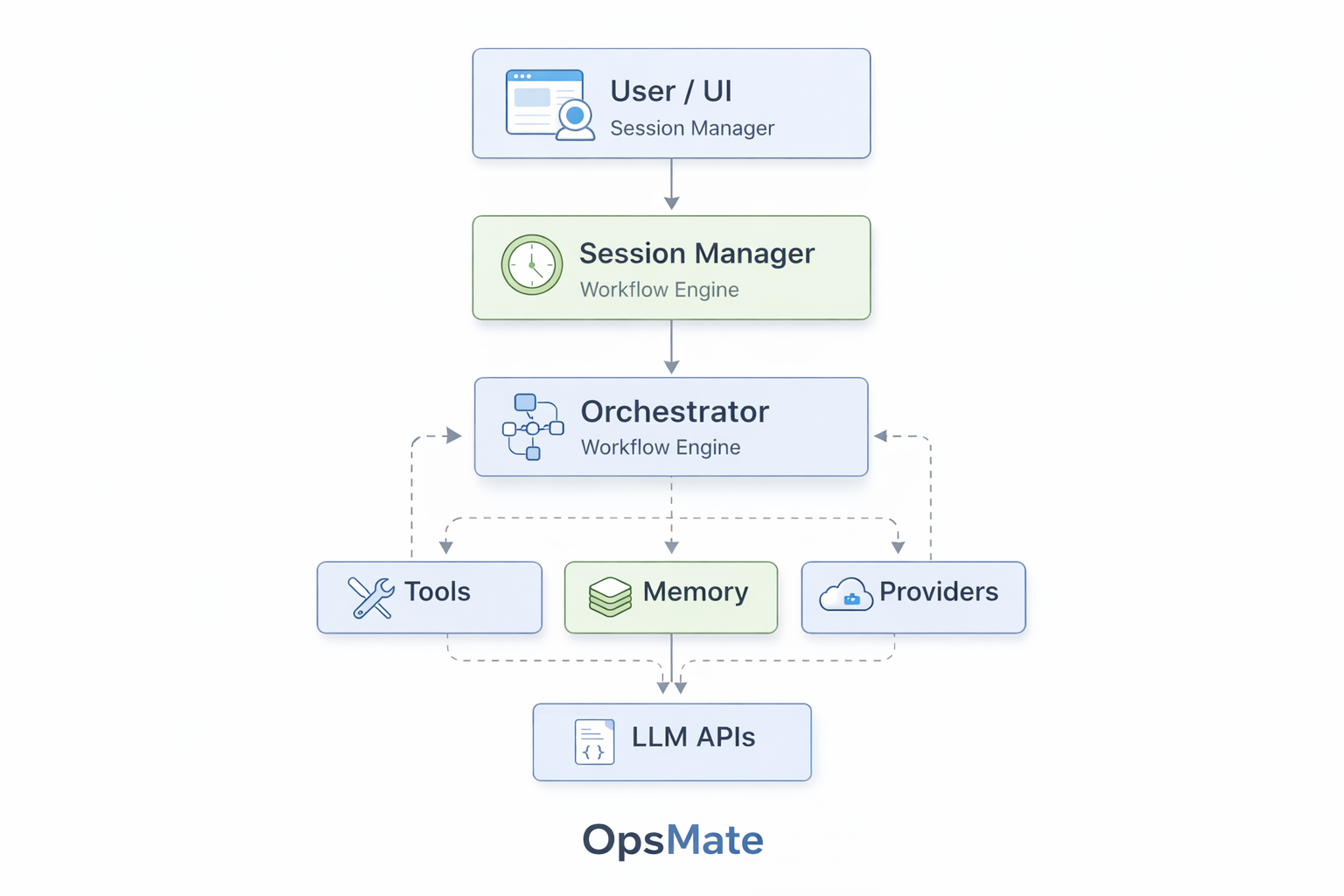
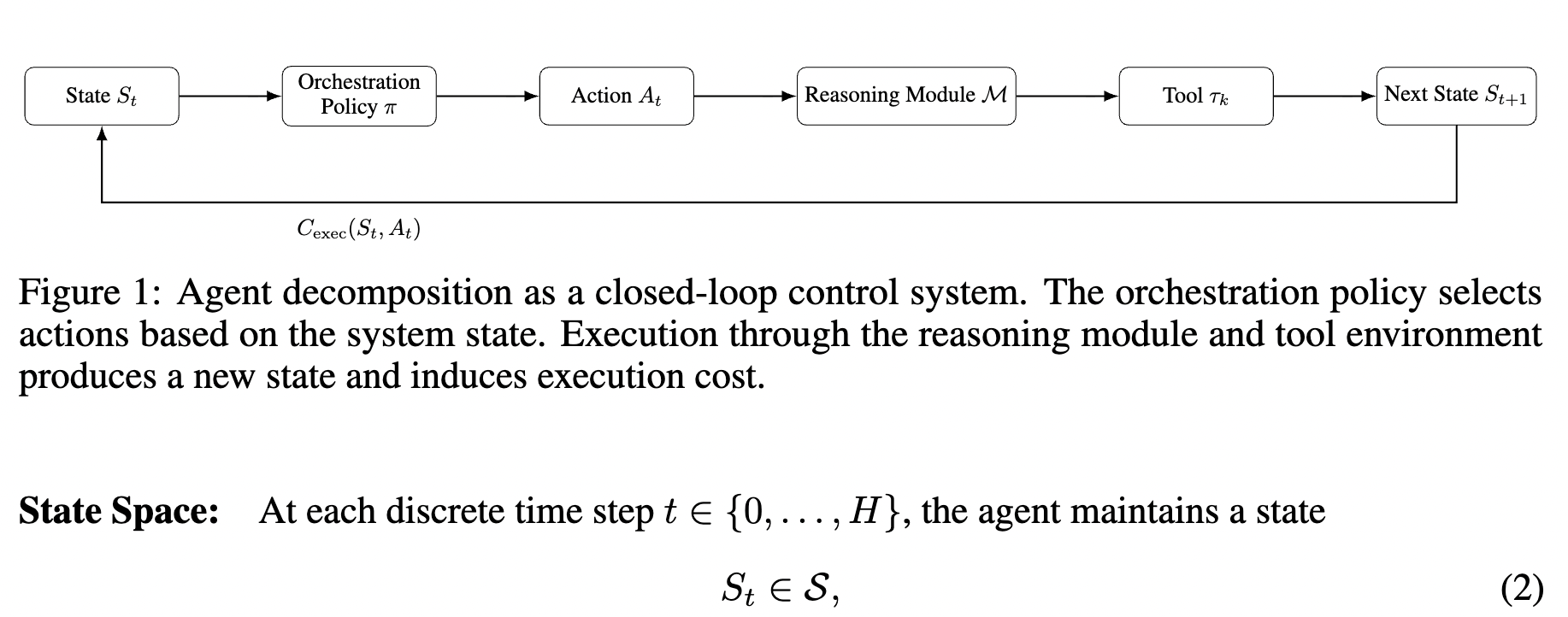
Reframes tool orchestration in LLM systems as a learnable policy optimized for execution cost, latency, and constraint satisfaction rather than heuristic control.
Introduces Vision-Attention Anomaly Scoring (VAAS), a dual-module
framework combining global attention-based anomaly estimation in
Vision Transformers with patch-level self-consistency scoring for
fine-grained anomaly localization.
Formalizes attention-driven representation analysis as a
structured anomaly detection mechanism, advancing modular and
scalable approaches to interpretable vision-based anomaly
modeling.
Introduces a colour-aware representation learning architecture
integrating dominant colour descriptors and multi-space colour
statistics with learned visual embeddings to enhance indoor scene
understanding.
Establishes explicit colour modeling as a complementary signal to
learned representations and analyzes the behavior of
classification and metric learning objectives under
colour-augmented settings, informing architectural and training
design decisions.
Synthesizes 123 studies on computer vision and AI approaches to
multimedia geolocation, examining architectural trends, dataset
design, evaluation protocols, and application contexts across
visual geolocation systems.
Identifies methodological gaps, recurring limitations, and
emerging design patterns, outlining open challenges and future
directions with emphasis on robustness, generalization, and
real-world deployment constraints.
Curacel
Dec 2021–2023Hybrid
Philanthrolab
Dec 2021–2022Remote
Clinify
May 2020–2021Remote
Data Science Nigeria
June 2019 - 2021On-site
South East Technology University
2022 – Present Ireland
Advances multimodal vision systems through representation learning,
robustness modeling, and scalable architecture design.
Develops architectures and evaluation frameworks for indoor
scene understanding, anomaly localization, and open-set detection
under real-world constraints.
Focuses on generalization, model
behavior analysis, and efficient training and inference strategies.
University of Lagos
2014 – 2018 Nigeria
Focused on systems design and applied machine learning for
real-world decision systems.
Final-year project: Developed a machine learning–driven SaaS
platform for automated Gleason score prediction, covering model
development, validation, and deployment within a healthcare
decision-support setting.
Peer reviewer for AI, Machine Learning, and Computer Vision venues,
assessing architectural design, methodological rigor, empirical
validation, and reproducibility.
Focuses on representational innovation and system-level implications
with emphasis on technical soundness and practical viability.
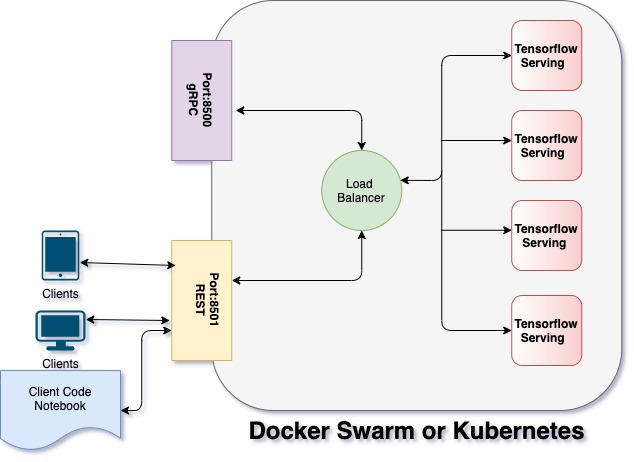
Provides expert advisory support to startups on vector search architectures and similarity-based retrieval systems. Advises on embedding design, indexing strategies, and trade-offs across modern vector databases, balancing performance, scalability, and deployment constraints.
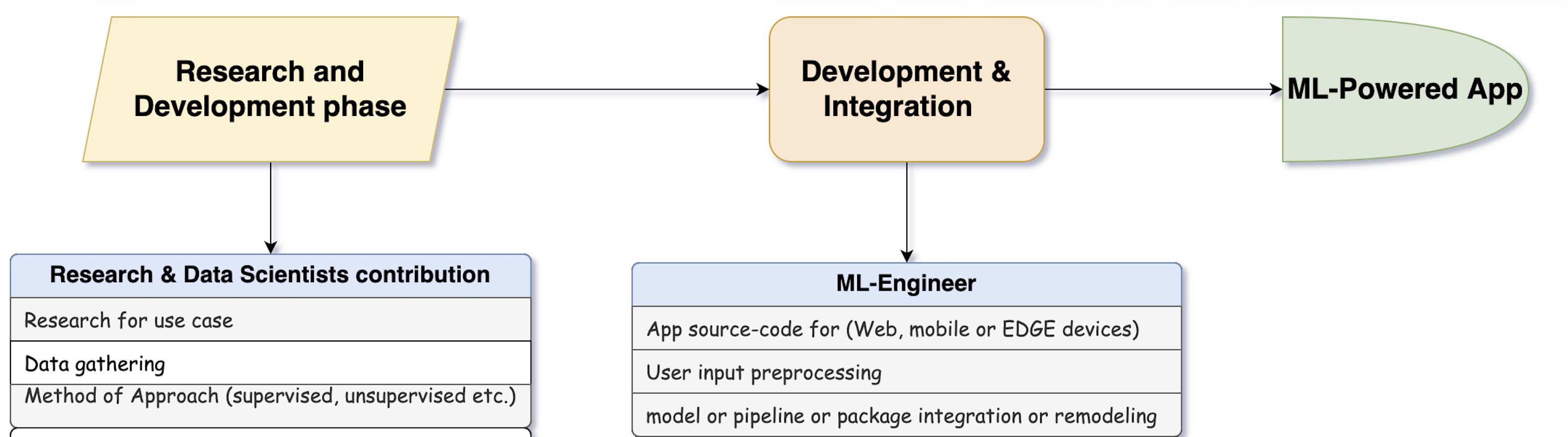
Authors a technical series on Test-Driven Development for ML systems, outlining structured approaches to reliability, reproducibility, and lifecycle validation. Combines conceptual guidance with implementation-level examples to formalize disciplined engineering practices in modern ML workflows.
Delivered expert-led training on data science and machine learning for technical practitioners. Covered model development workflows, applied learning paradigms, and engineering best practices for reliable and production-aware ML systems.
Email: bamigbadeopeyemi@gmail.com
LinkedIn: Opeyemi Bamigbade
Twitter: opeyemibami
Github: opeyemibami
Scholar: Opeyemi Bamigbade
Medium: Opeyemi Bamigbade